Key Takeaways
- Burn down measures how fast capital tied up in field inventory gets reclaimed, repurposed, or reinvested.
- The pressure is structural. ASPs for orthopedic and cardiovascular devices have fallen 1–3% annually for a decade.
- Idle product in rep cars and consignment sites inflates the demand signal, triggering production against demand that isn't real.
- Enterprise manufacturers on Movemedical have removed over $100M in excess inventory in year one while improving case readiness.
Average sales price (ASP) is dropping. It’s a reality all med device companies face every day. In fact, industry analysis by GlobalData and other consulting groups states that ASPs for orthopedic implants and cardiovascular devices have declined between 1%–3% annually over the past decade. The result? Margin pressure is more intense than ever as operational complexity continues to grow.
For medical device manufacturers, you have to look places other than the top line for long term growth. Efficiency is the new competitive advantage.
What Is Burn Down?
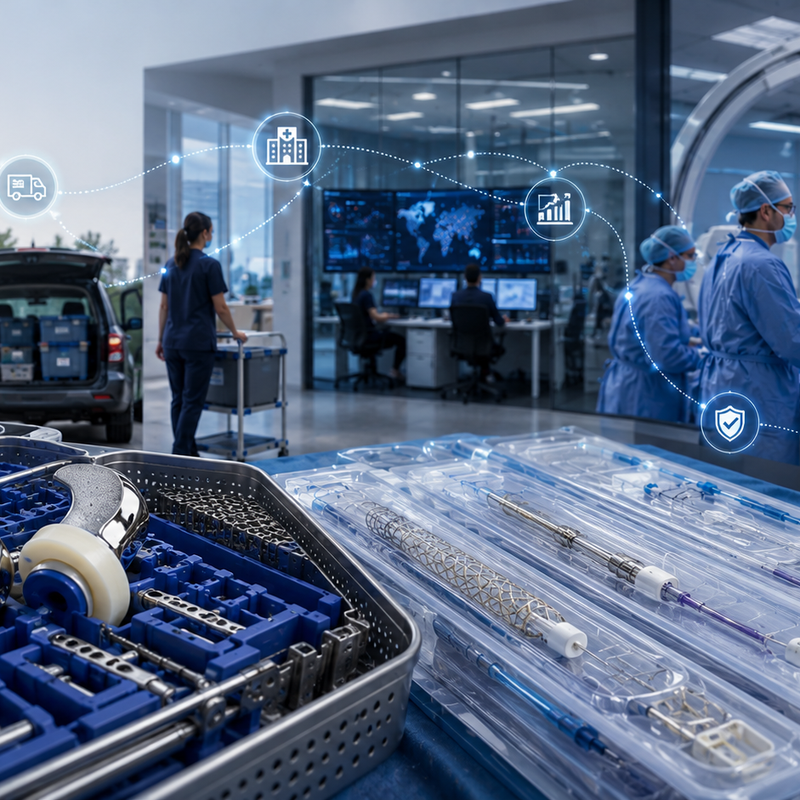
In operations of med device last-mile, burn down describes how effectively a company reduces excess or idle inventory over time. It measures how fast capital that’s tied up in the field can be reclaimed, repurposed, or reinvested.
For medical device companies, a healthy burn-down rate reflects more than just inventory movement in the field. It represents operational precision and financial discipline. Every implant, instrument, or loaner kit that returns to circulation instead of expiring on a shelf increases the velocity of the supply chain and the efficiency of the business.
The opposite is also true. When products linger unused in rep cars, personal storage lockers, or consignment sites, they quietly consume working capital and erode profitability. This “slow burn” limits agility, obscures visibility, and triggers unnecessary production that in many cases exceeds actual demand.
Movemedical gives companies the tools needed to actively manage their burn down, creating a continuous cycle of visibility, redeployment, and smarter demand forecasting. This results not only in a drastic reduction in waste but is proven to accelerate growth.
The Hidden Drag On Growth
Every major MedTech leader knows they have an inventory challenges. Yet few see these issues soon enough to turn them into actionable advantages. Between rep trunk stock, regional warehouses, and consignment sites, billions of dollars in assets sit idle daily. That excess creates a massive “burn-down rate” on operational capital, with millions tied up in inventory that can’t be sold, used, or even located.
This isn’t just a logistics issue. It’s a strategic issue with significant business impact. Each product left unseen in the field represents revenue not being reinvested into innovation, growth, or patient access.
That’s why the world’s largest global enterprise manufacturers turn to Movemedical. We give them complete visibility into what’s expected, what’s been used, and what’s ready to return. With a single, unified platform connecting sales and operations, they have standardized how they manage field inventory across complex global networks, with some having removed over $100 million in excess inventory while improving case readiness and demand forecasting all within the first year.
Turning a Cost Center into a Growth Engine
With falling ASPs companies can’t afford to bleed inventory. The future belongs to MedTech leaders who can burn down waste instead of revenue. Movemedical enables sales and operations leaders to capitalize on this opportunity by transforming the “last mile” of the supply chain from a source of risk and redundancy into a source of insight and profitability.
With Movemedical, manufacturers can:
- Break the silos between sales and operations, giving every stakeholder the same real-time data.
- End the guesswork with precise, field-level visibility into every tray, loaner, and component.
- Skip the slowdowns with automations that eliminate manual reconciliations and accelerate order-to-cash.
These efficiency gains translate directly into revenue preservation. Every kit pulled back, every redundant shipment avoided, and every hour of rep time reclaimed builds toward higher product utilization and faster turnarounds. As Movemedical’s platform consolidates dozens of disconnected tools into one system, operations teams gain the ability to forecast, fulfill, and capitalize with new precision.
The End of “White-Knuckle” Logistics
For too long, medical device fulfillment has relied on heroics. Late-night calls, last-minute drives, and overstuffed rep cars serving as personal warehouses have covered a myriad of sins that would otherwise reveal symptoms of bleeding revenue through inefficient inventory management. This “white-knuckle” approach might meet today’s surgical case, but it erodes tomorrow’s margin. It traps working capital, drives waste, and leaves decision-makers guessing.
Movemedical replaces chaos with clarity. Our ability to connect data across sales, logistics, and service makes the field become fully transparent and more predictable. The platform doesn’t just tell you where inventory is; it tells you what will be needed next.
Resetting the Standard for Operational Excellence
Ten of the world’s top 25 medical device companies already use Movemedical to reclaim control, reduce waste, and grow smarter. Together, they’re proving that efficiency and growth are no longer at odds. With every product tracked, every process automated, and every rep empowered, operations can finally stop burning down capital—and start building up competitive advantage.
In a world where average prices are falling, Movemedical helps the leaders rise.
About the Author